
13 Days Family Safari
6 Days Honeymoon Safari
7 Days Camping Safari
6 Days Wildebeest Migration
5 Days Wildlife Safari
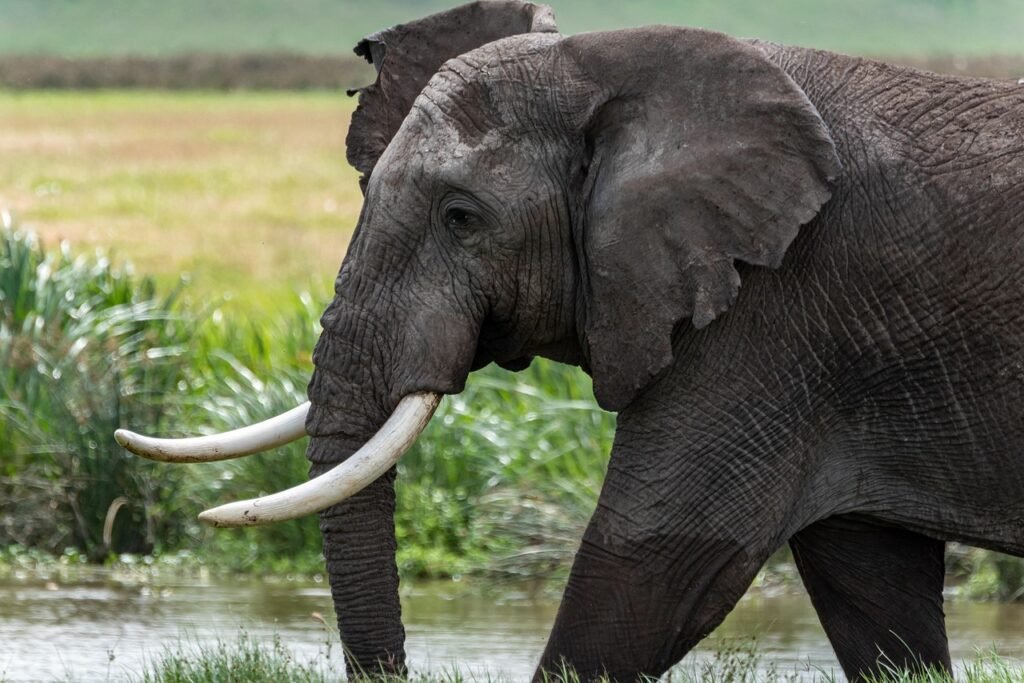
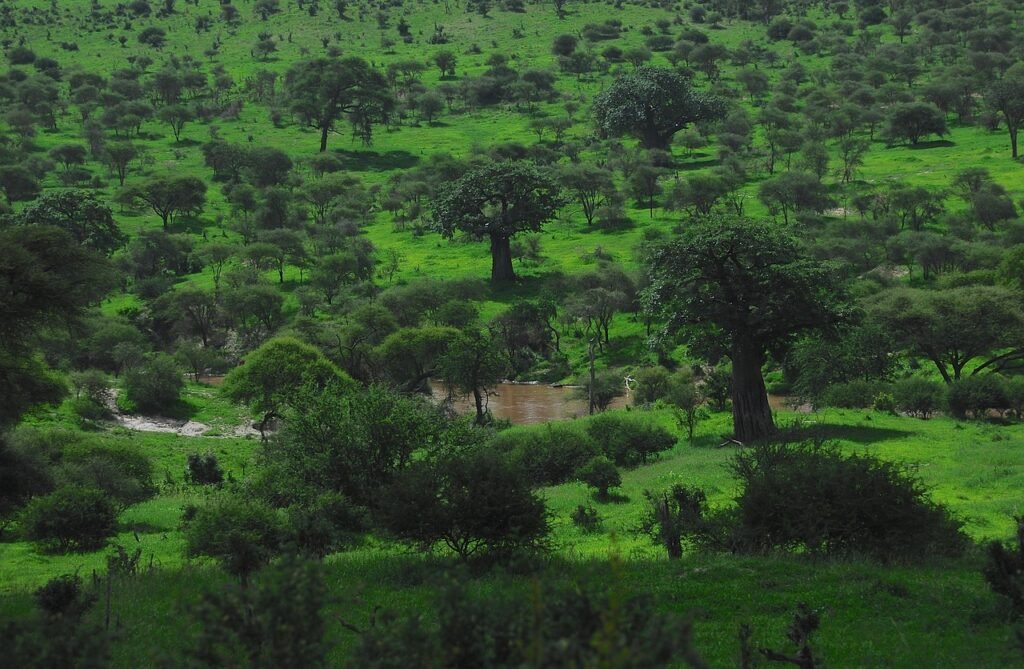
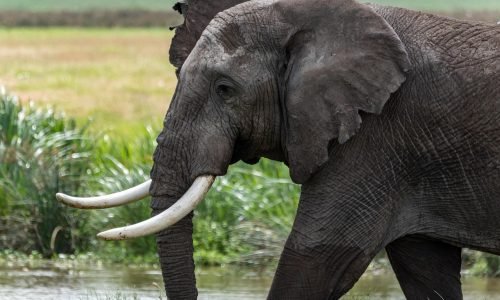
Tarangire National Park boasts one of the highest elephant population densities in Tanzania, making it a spectacular destination for wildlife lovers. Its open landscapes, dotted with towering baobab and acacia trees, create a striking and unique environment to explore.
Just a few hours’ drive from Arusha, Tarangire is a favored stop on Tanzania’s northern safari circuit, often visited en route to Ngorongoro and the Serengeti. The park extends into two game-controlled areas, allowing wildlife to roam freely across its vast terrain.
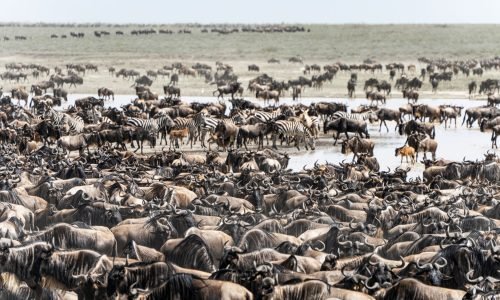
As the dry season approaches, herds of gazelles, wildebeests, zebras, and giraffes migrate to Tarangire’s scrub plains, drawn by the last remaining grazing lands. The park offers exceptional game-viewing opportunities, particularly during this time, when elephants are found in abundance. Families of these majestic creatures gather around ancient baobab trunks, stripping acacia bark for their afternoon meal. Meanwhile, breathtaking vistas of the Maasai Steppe and the distant mountains provide an unforgettable backdrop.
Herds of up to 300 elephants can be seen digging into the dry riverbed in search of underground streams, while migratory wildlife—including wildebeests, zebras, buffalos, impalas, gazelles, hartebeests, and elands—crowd the shrinking lagoons. This is the largest concentration of wildlife outside the Serengeti ecosystem, attracting predators to this thriving landscape. Tarangire is also the best place in Tanzania to spot dry-country antelope such as the stately fringe-eared oryx and the uniquely long-necked gerenuk.
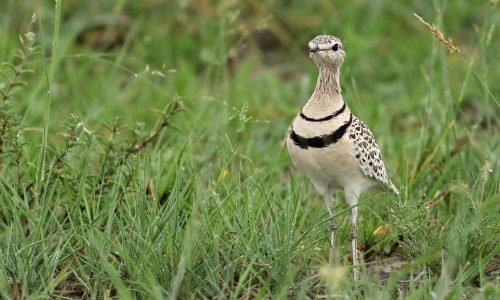
During the rainy season, seasonal visitors disperse across a 20,000 sq km (12,500 sq mile) range until the lush plains diminish and the river beckons them back. However, Tarangire’s iconic elephant herds can be encountered year-round, regardless of season. The park's verdant swamps remain vibrant throughout the year and provide a sanctuary for over 550 bird species—the highest number of breeding species found in any single habitat in the world.
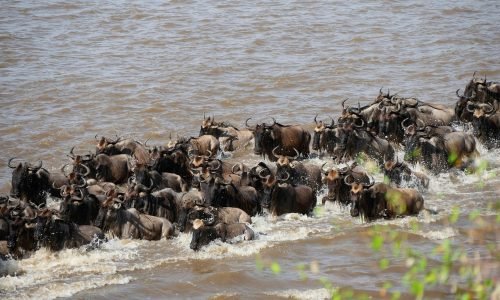
The Tarangire National Park covers an area of 2850 km² and is the 6th largest national park in Tanzania. Tarangire is well known for the long-distance migration of wildebeest and zebras. A large volume of animals concentrates in Tarangire National Park from the surrounding wet-season dispersal and calving areas during the dry season which is particularly from July to November.