Mount Kilimanjaro

Climbing Mount Kilimanjaro

Majestic and crowned with an eternal snowcap, Mount Kilimanjaro stands proudly in the heart of Tanzania as Africa’s tallest mountain and the world’s highest freestanding peak. Despite its towering height, the climb is relatively accessible, with well-established hiking paths that attract enthusiasts of all experience levels, including beginners.
Following are the routes:

  • The Marangu Route
  • The Machame Route
  • The Rongai Route
  • The Shira Route
  • The Lemosho Route
  • The Umbwe Route
  • Northern Circuit Route
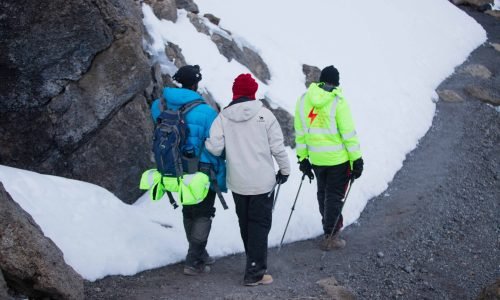
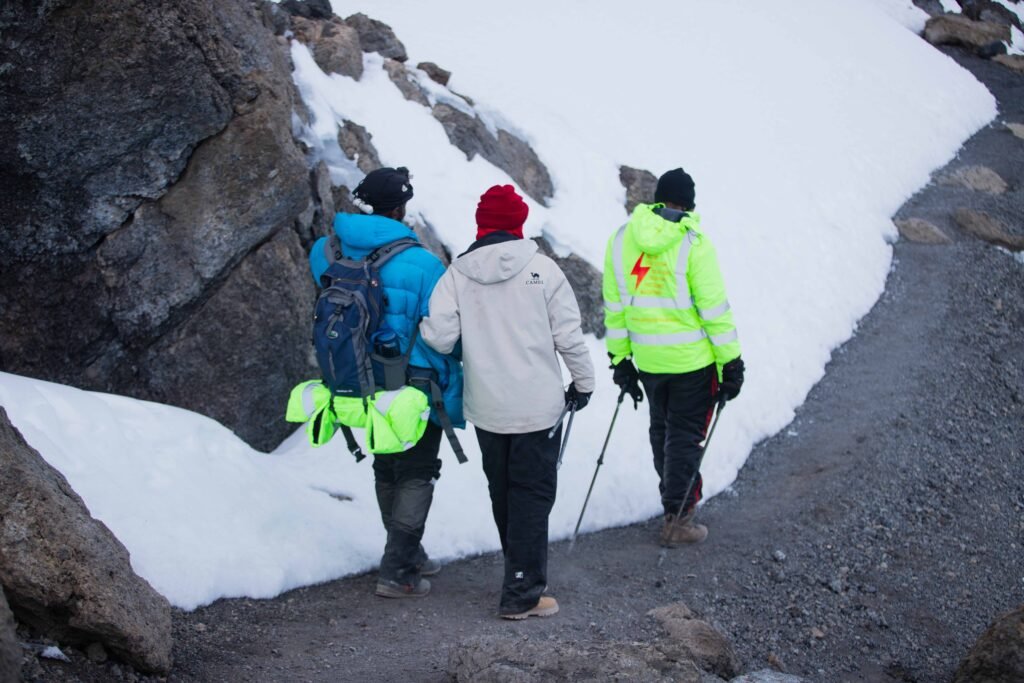
Three hikers navigate a snowy mountain trail, equipped with winter gear.

Kilimanjaro Routes and Packages

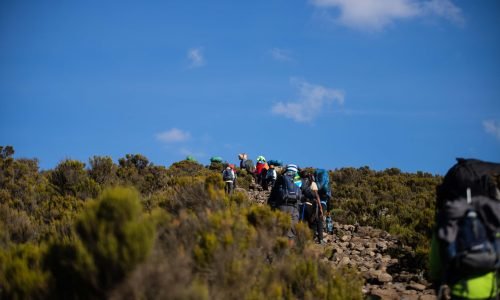
Group of hikers climbing a scenic mountain trail under a clear blue sky.

The Marangu Route

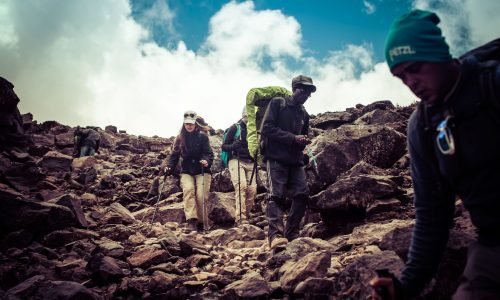
A diverse group of hikers navigating a rocky mountain trail under a bright sky.

The Machame Route

Three hikers navigate a snowy mountain trail, equipped with winter gear.

The Rongai Route

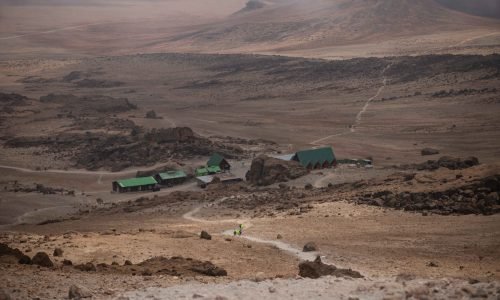
High-angle shot of hikers approaching a remote mountain base camp with rugged terrain.

The Shira Route

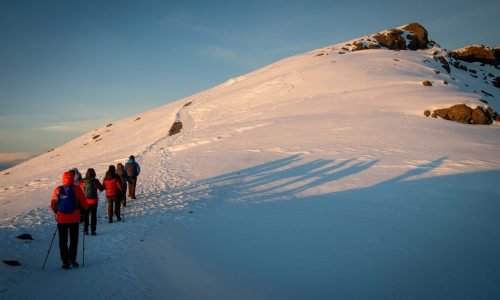
A group of hikers trekking a snowy mountain path at sunrise.

The Lemosho Route

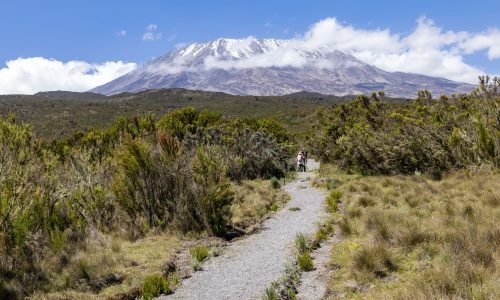
A picturesque trail leads to a snowy mountain peak under a clear blue sky.

The Umbwe Route

Mount Kilimanjaro Guides

The seven routes of Mount Kilimanjaro each offer unique experiences, differing in length, cost, scenery, difficulty, and success rates. Choosing the right route is a crucial decision for your trek. While every path has its own charm, the Marangu Route is often considered the best option for climbers seeking a well-established and relatively easier ascent. Why is it the most suitable choice?

  • The Marangu Route is Kilimanjaro’s oldest and only route with hut accommodations, ensuring a more comfortable sleep.
  • The route features a steady, well-maintained path, ensuring a comfortable trekking experience.
  • The route is relatively affordable compared to other options.

Here are 10 essential things to know before climbing Kilimanjaro:

  • 1- Acclimatization – High altitude requires proper adaptation to avoid sickness.
  • 2- Fitness – Strong endurance is essential, though technical skills aren’t needed.
  • 3- Route Choice – Each route differs in difficulty, scenery, and success rates
  • 4- Weather – Be prepared for extreme temperature changes.
  • 5- Packing – Lightweight, quality gear is crucial .
  • 6- Guides & Porters – Mandatory for navigation and carrying supplies.
  • 7-Hydration & Nutrition – Staying fueled and hydrated supports endurance.
  • 8- Park Rules – Follow conservation guidelines and designated trails.
  • 9- Mental Strength – Determination is key to overcoming challenges.
  • 10-Summit Expectations – The final push to Uhuru Peak is tough but rewarding

Several trekking operators offer competitive pricing to attract climbers, but the cost of trekking remains high due to various factors, including:

  • – Route Selection – Different routes vary in length, difficulty, and required logistics.
  • – Permit Fees – Climbers must pay national park fees and permits.
  • – Guide & Porter Services – Hiring experienced guides and porters adds to the cost.
  • – Accommodation & Meals – Lodging and food expenses differ by trek duration and comfort level.
  • – Equipment & Gear – Proper clothing, boots, and camping gear are essential investments.
  • Paying the trek operator
  • – Group vs. Private Treks – Private tours are costlier but offer more flexibility. Let me know if you’d like further refinements!

One of the most frequently asked questions by trekking enthusiasts is, “Is it hard to climb Kilimanjaro?” The answer is nuanced—while the ascent itself is not technically difficult, various factors affect its challenge level. High altitude poses risks, and extremely young or elderly individuals may struggle with acclimatization. However, Kilimanjaro has relatively accessible routes that do not require special training or prior climbing experience.

Climbing Kilimanjaro is relatively less challenging, but high altitudes pose health risks. Proper preparation beforehand increases the chances of reaching the summit safely.

  • Take Aerobic or cardio training which includes activities like long distance jogging, swimming, cycling and walking.
  • To strengthen legs , lunges, squats and step aerobic exercises are recommended.
  • If possible, take long hikes at nearby trails to build endurance.
  • Finally, strengthen your mental stamina and ensure you’re mentally prepared as well.

Mount Kilimanjaro is rich with fascinating details. Here are some of its most iconic facts:

  • Kilimanjaro is the tallest mountain of Africa and the highest freestanding mountain in the world.
  • The summit of the mountain named Uhuru Point, stands at 5,895 meters above sea level.
  • The mountain is not 1, but a combination of 3 volcanoes.
  • Africa’s tallest indigenous tree grows on Mount Kilimanjaro.
  • The youngest person to summit Kilimanjaro was 7 years old, while the oldest was 88.
  • The glaciers are 10,000 years old.
  • Approximately 30,000 people climb Kilimanjaro each year
  • Swiss athlete Karl Egloff set the record for the fastest ascent and descent of Kilimanjaro in 2014, completing the climb in just 6 hours and 42 minutes
  • One of the most remarkable facts is that trekkers pass through five distinct climate zones on their journey to the peak.
  • The first recorded ascent of Kilimanjaro was made by German geologist Hans Meyer in October 1889.